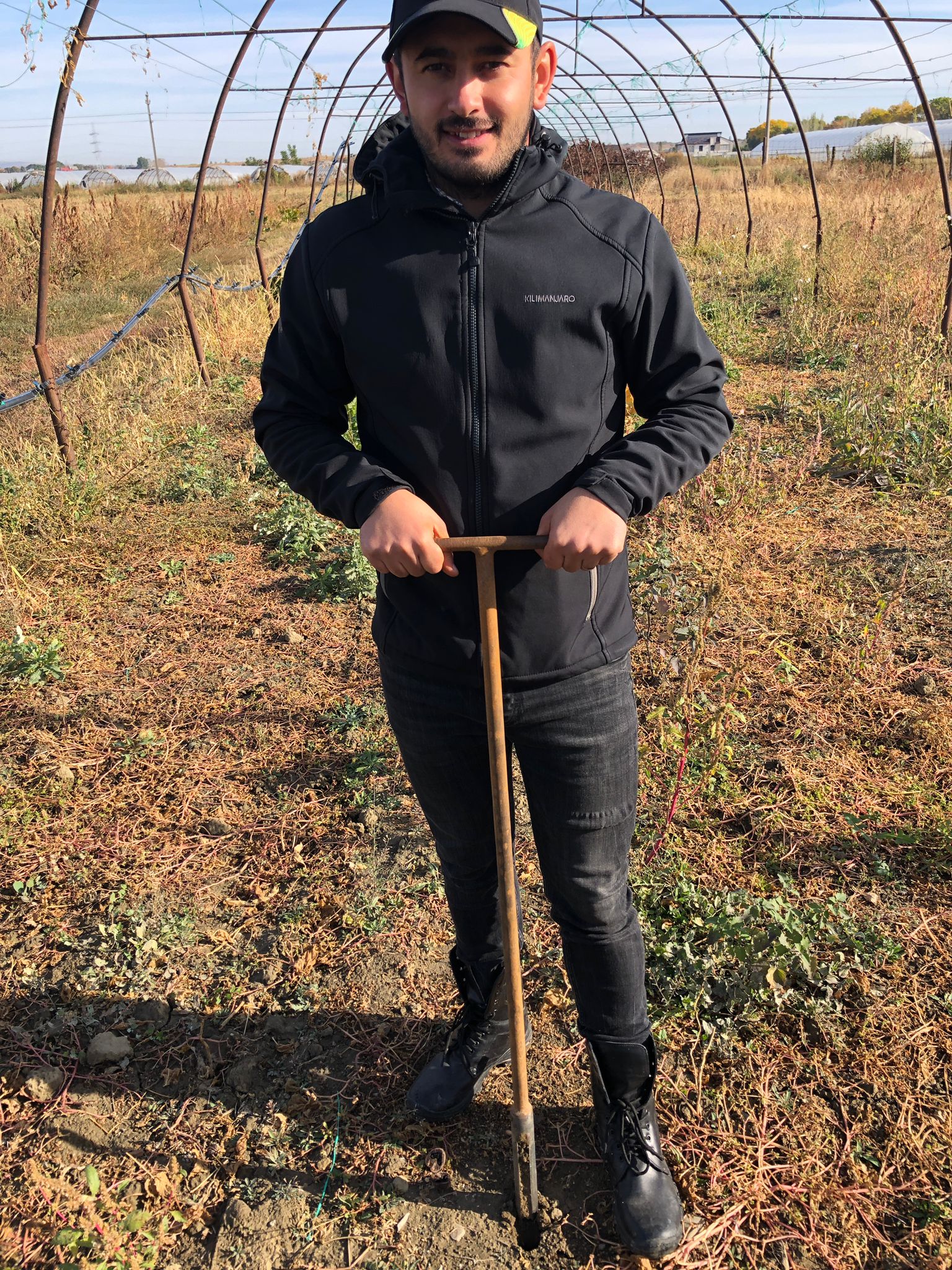
The principal mission of the laboratory is the continuous assessment of soil fertility and of other specific soil parameters across the whole of the Station’s cultivated area. The data supplied by this laboratory are essential to the success of the crops. With a dual specialisation in agrochemistry and physiology, the laboratory has conducted long-term experiments within the Station, closely monitoring the evolution of the main soil parameters in relation to local climatic conditions and to the species grown.

Research topics include:
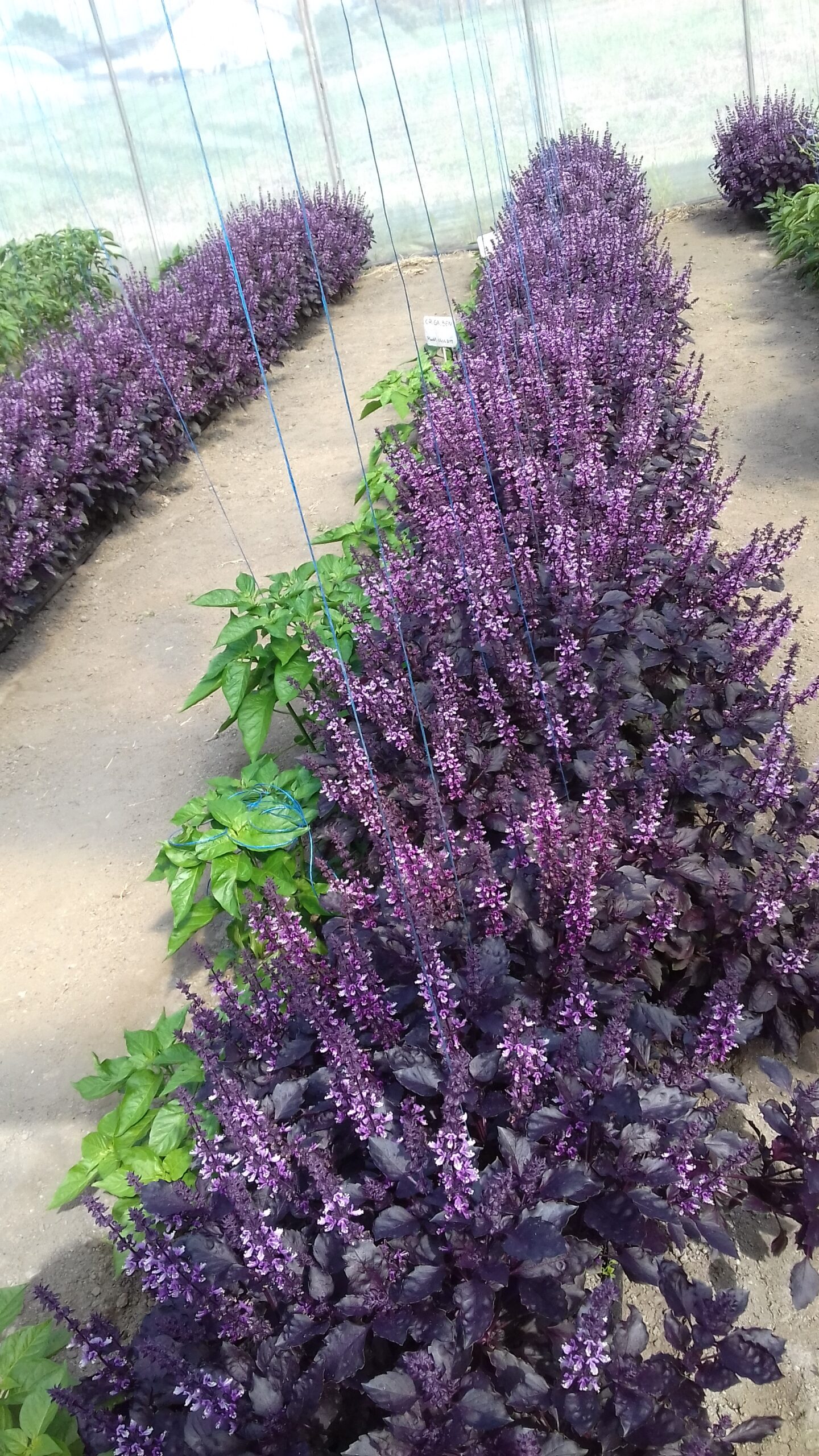
- Interdisciplinary research in the fields of physiology, agrochemistry, organic farming, breeding and the production of biological material (seed, seedlings, vegetables, multi-purpose plants, flowers), and crop technology;
- Study of the introduction into cultivation of species / varieties (new, old, traditional, less widely grown and ± well known) that are resistant to biotic and abiotic stress and suited to cultivation under the agro-climatic conditions of our country;
- Comparative study of the physiology of species grown under organic and conventional systems;
- Study of the physiological indicators and nutritional requirements of multi-purpose vegetable and flower species;
- Phenotyping of plant genetic resources in order to identify the characteristics that make them suitable for cultivation in organic farming, as compared with conventional farming;
- Conservation and use of germplasm resources in organic farming;
- Trials of crop rotation schemes and sequences specific to organic farming systems, as compared with conventional ones;
- Identification and exploitation of sources of tolerance or resistance to pathogen attack;
- Evaluation, selection and promotion of improved accessions, on-farm assessment of quantitative and qualitative agronomic performance, and their incorporation into crop rotation models;
- Study of planting patterns, plant densities and planting dates, and of the use of companion plants and fodder plants in organic farming as compared with conventional farming;
- Monitoring of soil fertility status and plant fertilisation in conventional and organic farming;
- Establishment of conventional and organic crop fertilisation methods with a low environmental impact;
- Study of different fertiliser formulations with a view to developing, implementing and disseminating fertiliser application technologies;
- Trials of weed control methods and practices in organic farming;
- Production of vegetable seed in accordance with the maintenance breeding scheme for the species and varieties concerned and with the rules governing conventional and organic farming;
- Provision of specialist advisory services and technical assistance;
- Integration, communication and dissemination of the RDI results obtained.