
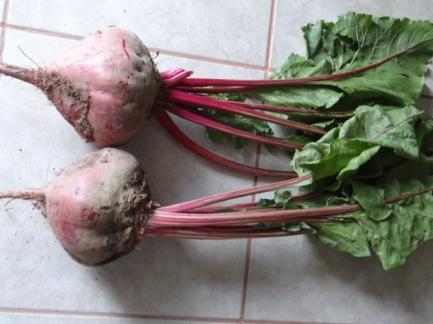
Beetroot
Origin and history:
Beetroot originates from the Mediterranean region and has been cultivated for thousands of years for its nutritious roots. The Reta variety entered the portfolio of the Vegetable Research and Development Station (V.R.D.S.) in Buzau, Romania, when maintenance breeding was taken over from another research and development body; the variety is valued for its high yield, its adaptability and its superior quality.
Botanical characteristics:
Reta beetroot is a biennial plant grown as an annual, with uniform, globe-shaped roots of an intense red colour. The roots have a fine texture and a sweet flavour, with an average root weight of 300 g, and are rich in antioxidant pigments. The leaves are large and dark green, with red petioles, and may themselves be used in a variety of culinary preparations.
Growing conditions:
Reta beetroot prefers deep, fertile, well-drained soils with a slightly acid to neutral pH. Sowing is carried out in early spring (April) or in early summer, directly in the field, at temperatures above 10°C. It requires consistent watering to prevent the roots from becoming woody, although waterlogging must be avoided.
Care and maintenance:
The Reta variety is relatively easy to look after. It is important to keep the soil loose and to remove any weeds that may compete with the plants. Fertilising with potassium- and phosphorus-rich fertilisers contributes to the development of large, healthy roots. Even irrigation ensures an optimum texture and a pleasant flavour in the roots.
Propagation:
Reta beetroot is propagated from seed, which germinates in approximately 7-14 days at temperatures of 15-20°C. Thinning is recommended once the plants have emerged, leaving a distance of 10-15 cm between them to allow the roots to develop properly.
Uses
Reta beetroot is extremely versatile and is used for salads, juices, pickles and cooked dishes. It is valued for its high content of vitamins, minerals and antioxidants, with benefits for cardiovascular and digestive health.