Dill
Origin and history:
It originates from the eastern Mediterranean region and Western Asia. The Daniela variety was developed at the Vegetable Research and Development Station (V.R.D.S.) in Buzau, Romania, and was bred for abundant yields and excellent adaptation to a wide range of environmental conditions.
Botanical characteristics:
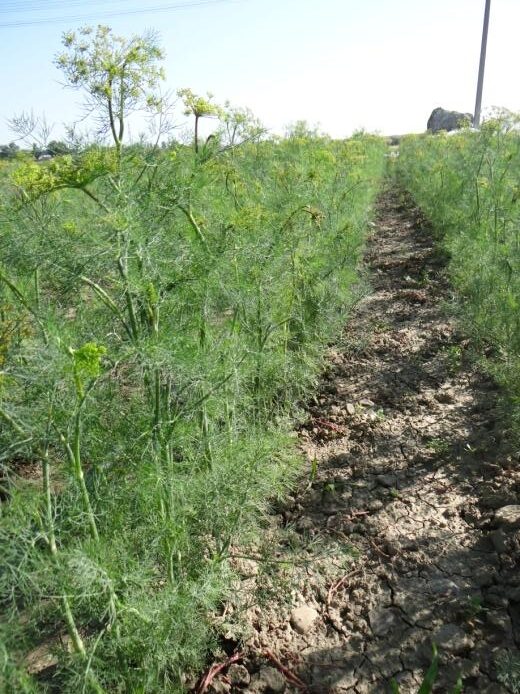
Daniela dill is an annual herbaceous plant with vigorous growth. The stems are straight, slender and light green, reaching a height of approximately 90-120 cm. The leaves are finely divided and deep green, with a strong characteristic aroma. The plant produces umbel-type inflorescences made up of small yellow flowers. Yields are 5-7 t/ha of green leaves.
Growing conditions:
Daniela dill prefers well-drained, fertile soils with a neutral pH and a sunny position. Sowing may take place in early spring (March-April) or in late autumn, before the frosts. It is a plant that withstands low temperatures and moderate drought. It can be grown in the open field or under protected cultivation.
Care and maintenance:
This dill variety requires little maintenance. Watering should be moderate, avoiding waterlogging. Enriching the soil with compost or organic fertilisers will encourage healthy growth. Removing weeds from around the plants is essential in order to reduce competition for resources.
Propagation:
Daniela dill is propagated from seed, which generally germinates within 10-14 days at temperatures of 15-20°C. The seed is sown directly in the field, and a spacing of 15-20 cm between rows is recommended for optimum development.
Uses
Daniela dill is used mainly in the kitchen, to flavour a variety of dishes such as soups, broths, pickles and sauces. Its leaves, whether fresh or dried, are highly valued for their intense aroma and their health benefits, having digestive and antioxidant properties.